

MAKE A SPLASH
THIS SUMMER

Join Now For $0 Enrollment!
Learn MoreIf you’re just starting your fitness journey, building a strong core is essential for full-body fitness. Core muscle training for beginners is one of the most effective ways to improve stability, support your entire body, and enhance performance in everyday physical activities.
From better posture to improved balance and injury prevention, strengthening your core muscles sets you up for long-term success. Whether you’re building a gym routine for beginners at home or at a club like Chicago Athletic Clubs, focusing on your core early on helps set the foundation for long-term success.
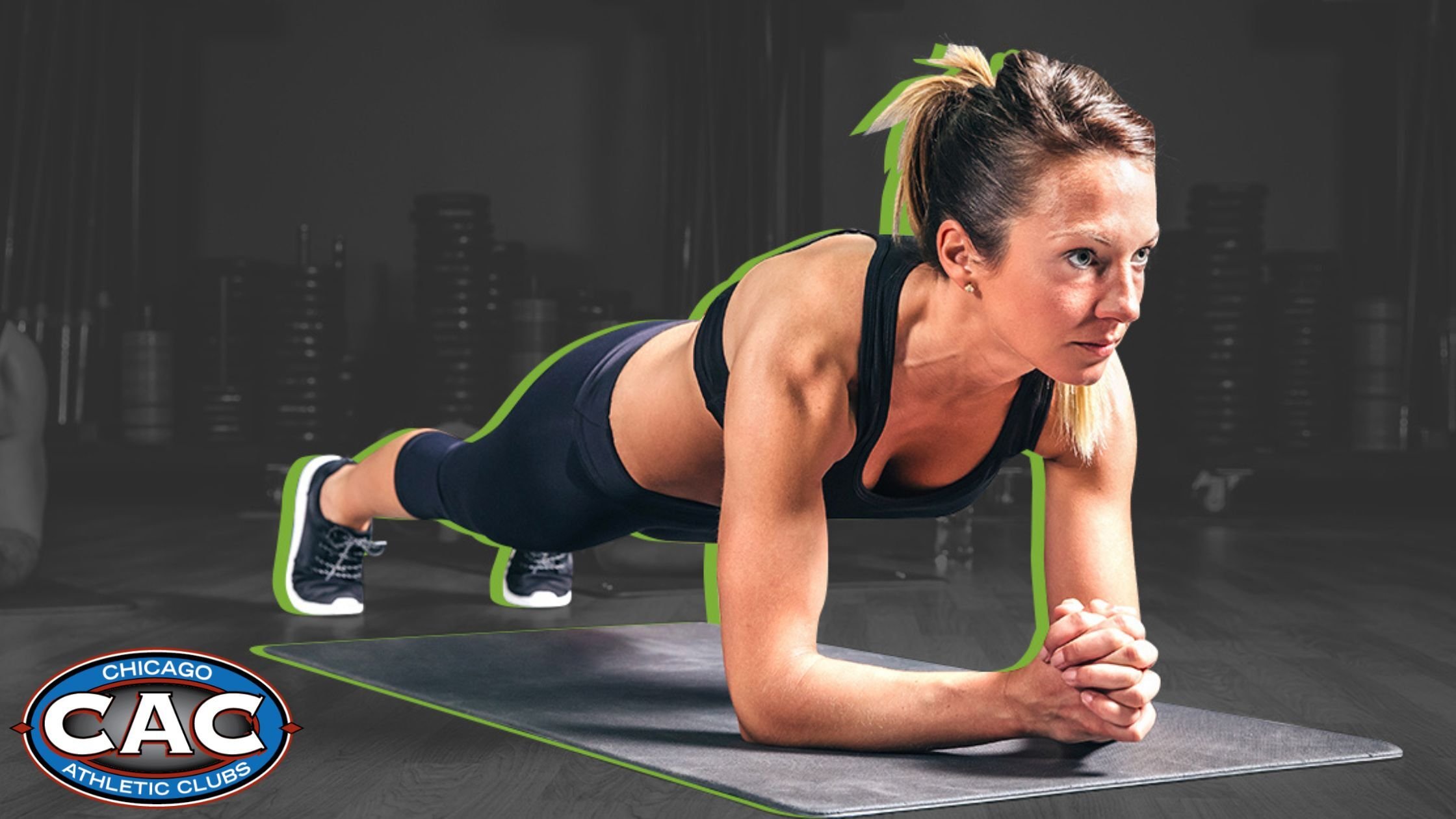
Your core is more than just your ab muscles or the visible six-pack abs. It includes a group of surface-level and deep muscles that work together to stabilize your body.
Key muscles include:
These core muscles play a critical role in maintaining proper alignment, supporting your spine, and helping you perform daily tasks like bending, lifting, and twisting.
A strong core helps improve functional strength, enhances athletic performance, and reduces your risk of injury.
Core workouts alone won’t directly target belly fat. Fat loss happens when you create a calorie deficit through a combination of exercise and nutrition. However, core exercises do help strengthen and define your abdominal muscles, which can become more visible as overall body fat decreases.
The best approach is to combine:
Together, these support overall fat loss while helping you develop strong core muscles and improved definition over time.
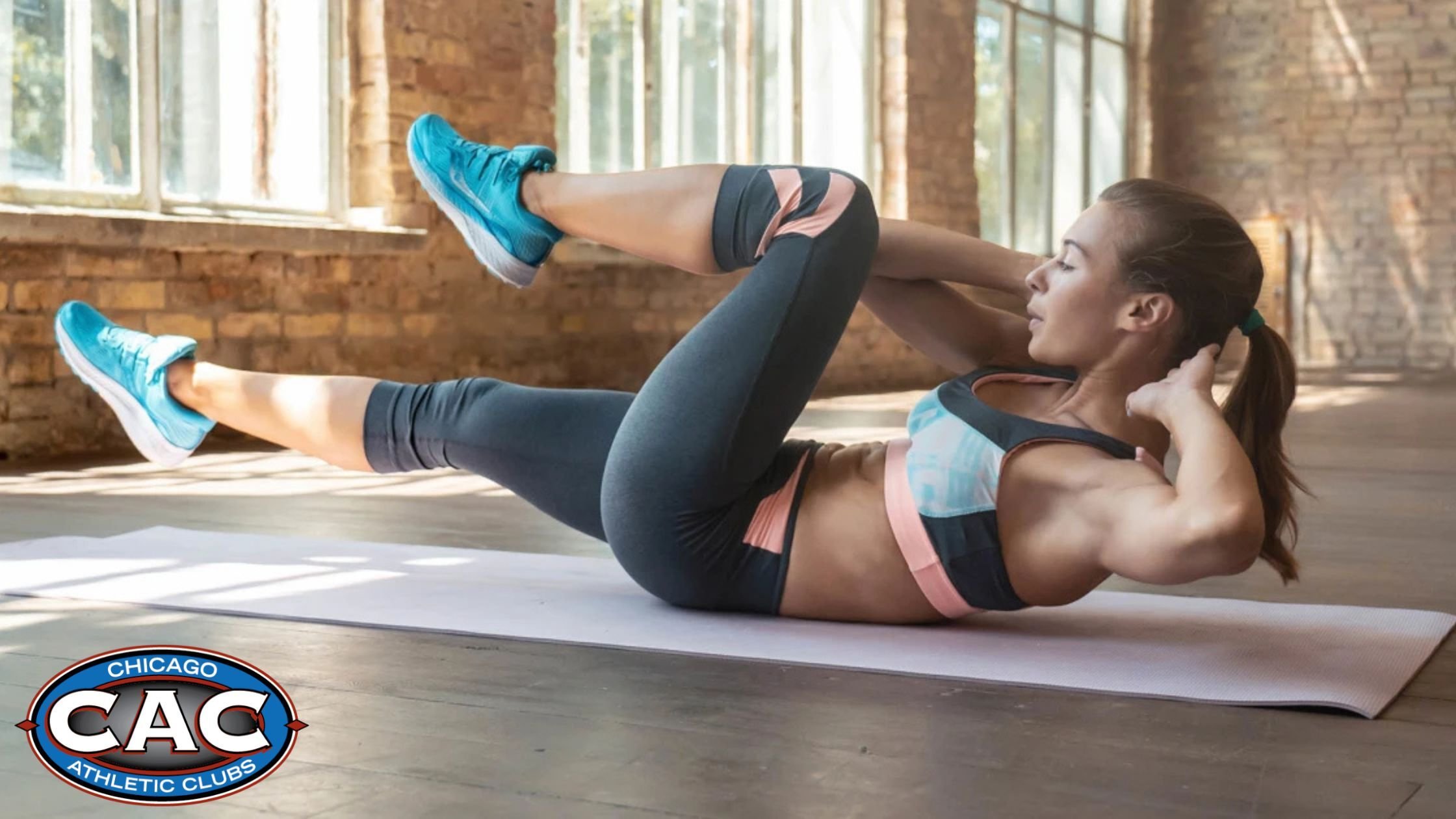
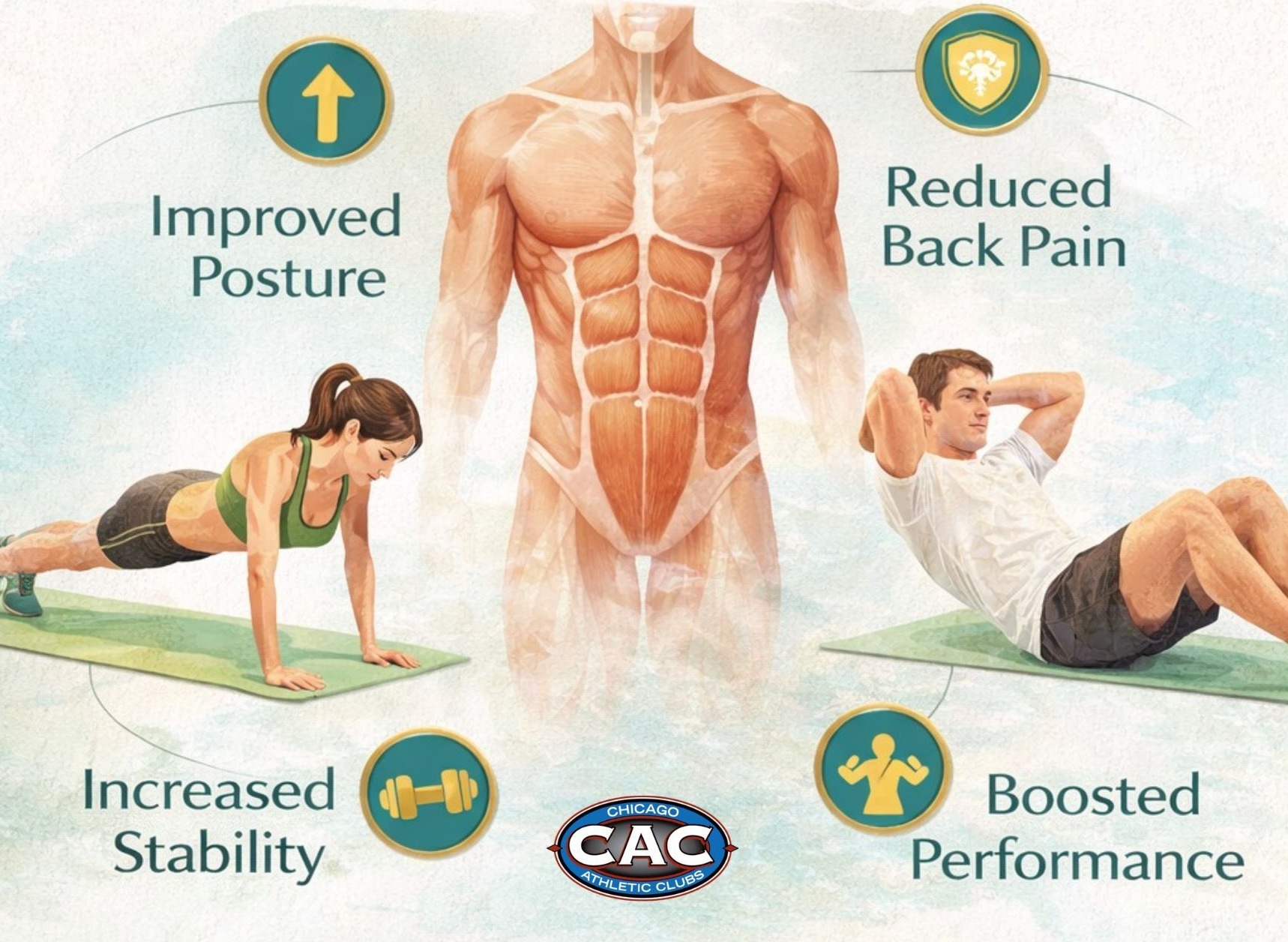
Adding good core workouts for beginners to your fitness routine offers a wide range of benefits:
A strong core helps stabilize your body during movement, making other exercises more effective and safer.
Strengthening your deep core helps you maintain proper posture, reducing strain on your back and shoulders.
Core training improves your ability to control movement and maintain balance in both workouts and daily life.
By strengthening your deeper muscles, core training reduces the risk of strain and supports injury prevention.
From lifting weights to running, a strong core improves efficiency and power in all types of movement.
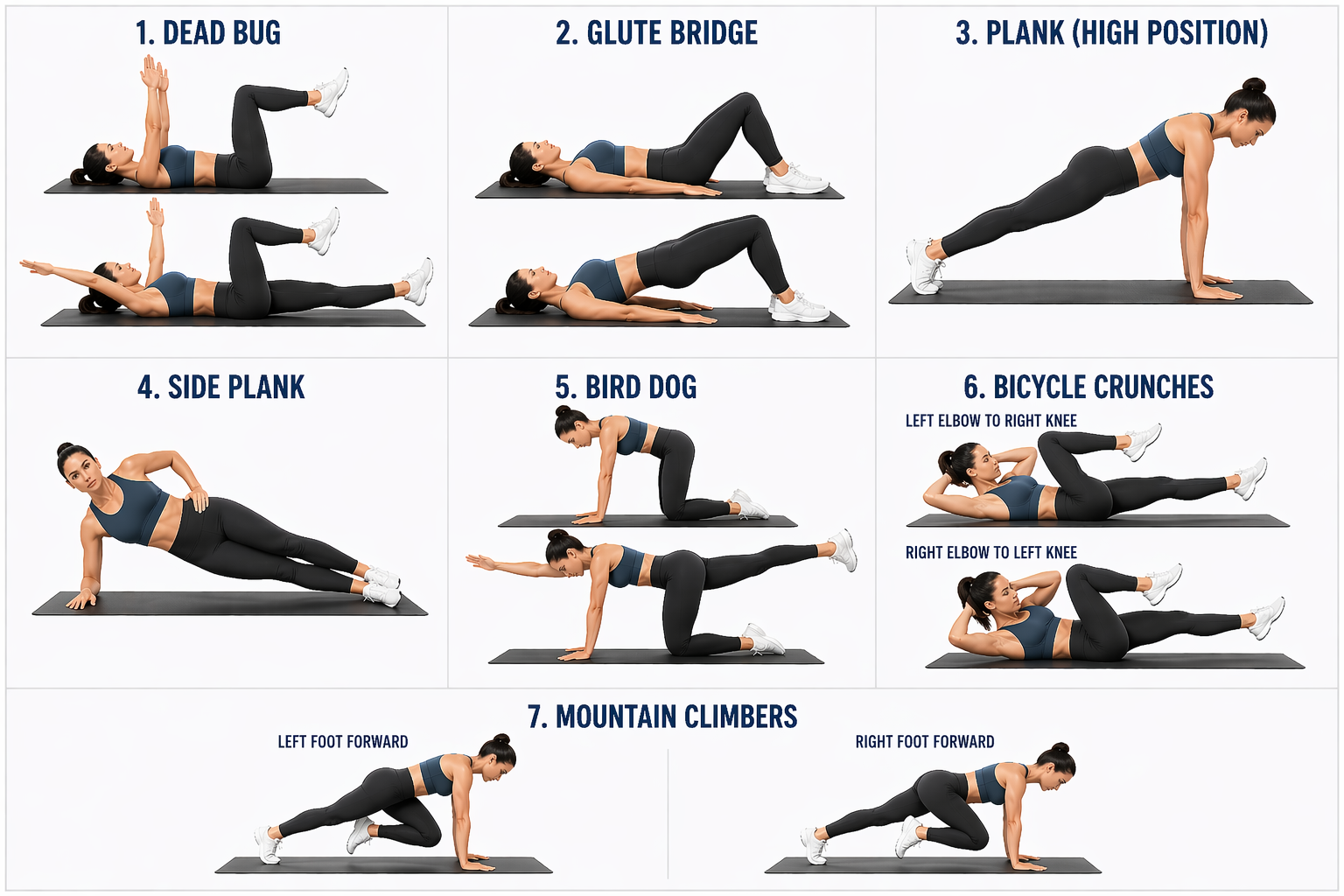
If you’re new to core training, focus on simple, effective movements that emphasize proper form and control. These specific exercises target both surface and deep core muscles.
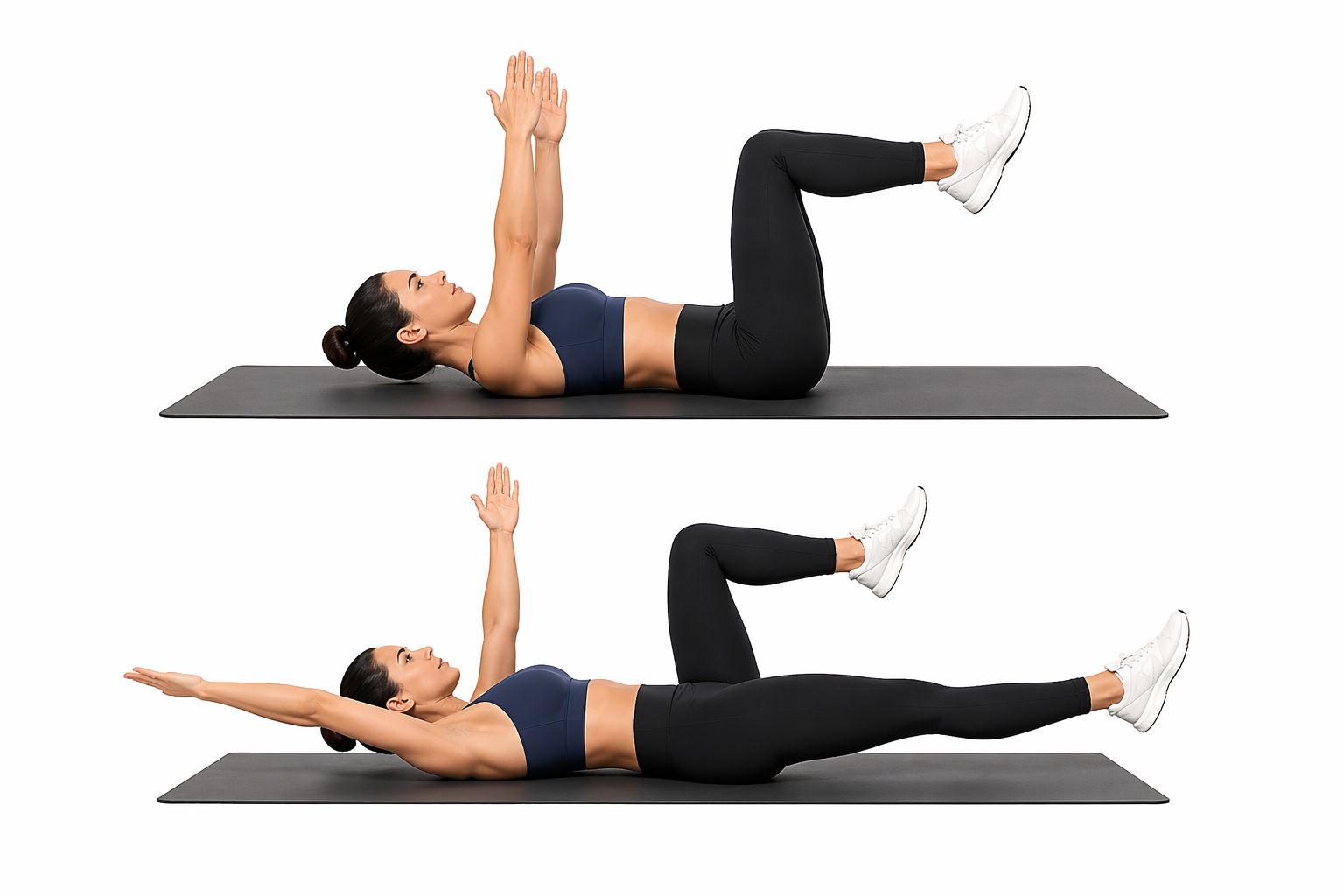
The dead bug is one of the best exercises to activate your deep core while protecting your lower back.
How to do it:
Focus on keeping your core engaged and avoiding arching your back.
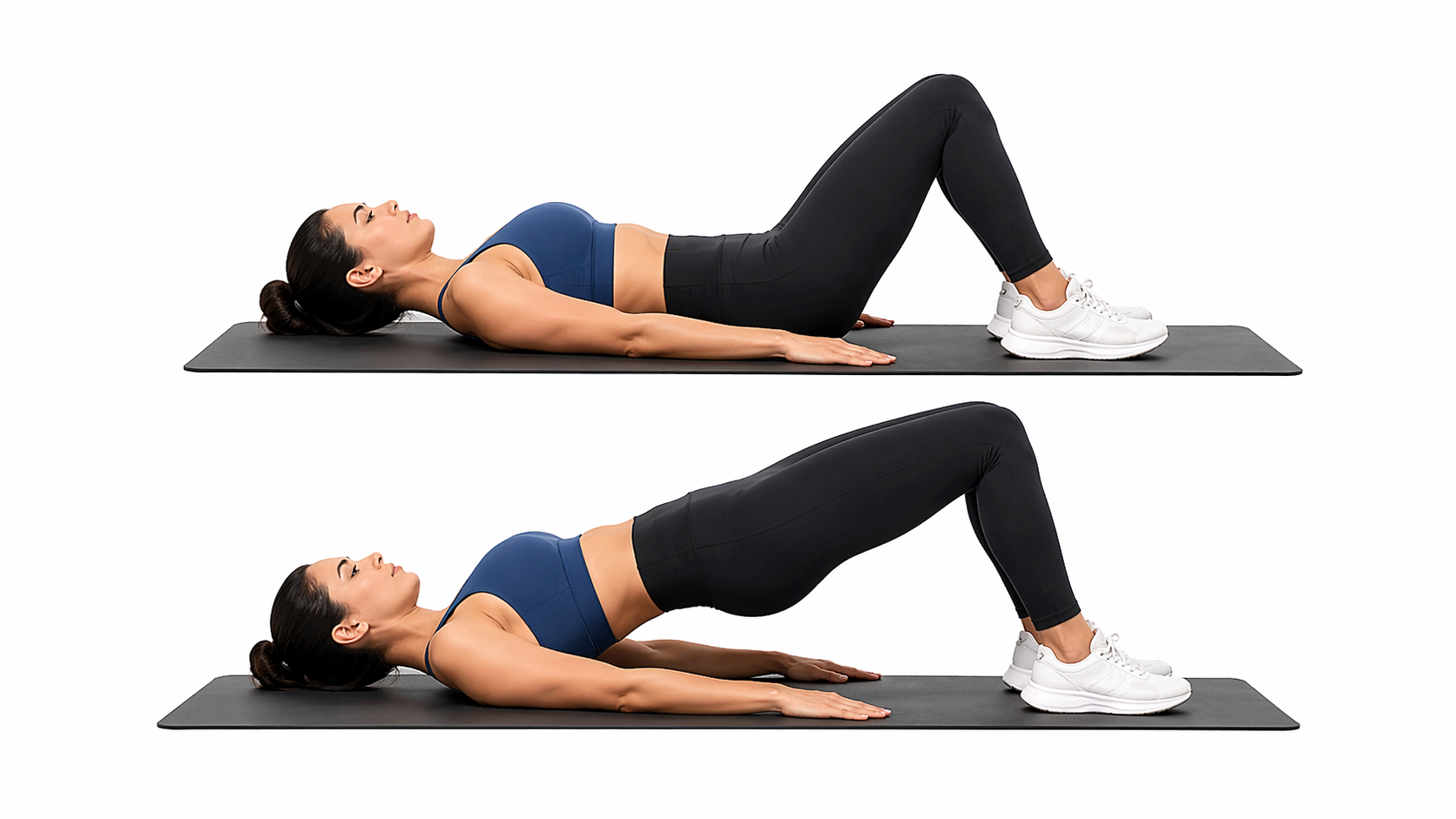
The glute bridge strengthens your core while targeting your lower body and hip flexors.
How to do it:
This move supports both your core strength and lower body stability.
The plank position is a foundational core exercise that targets your entire midsection.
How to do it:
This exercise strengthens your abdominal muscles, shoulders, and back muscles.
.png?width=1774&height=887&name=Plank%20(High%20Position).png)
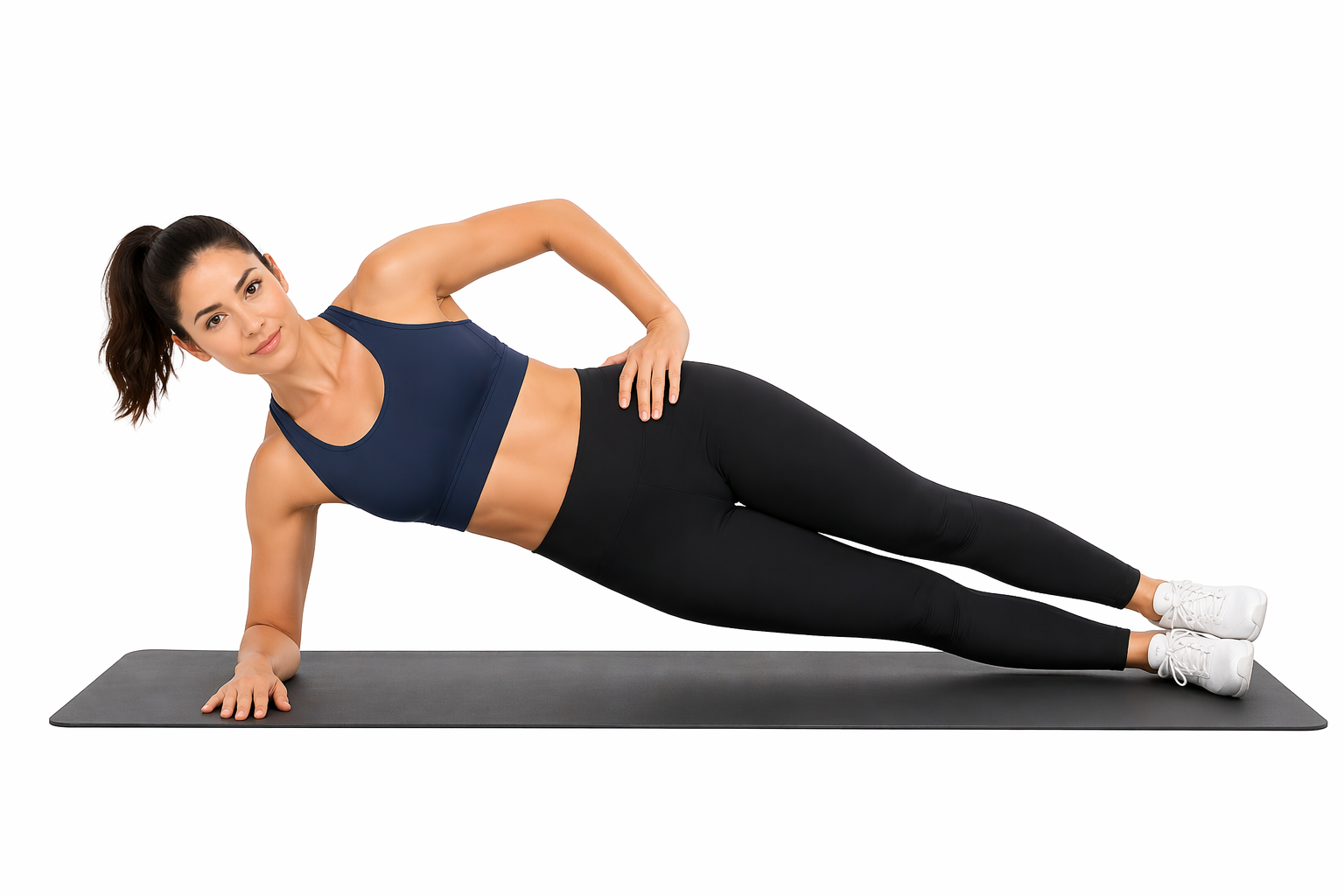
The side plank position targets your obliques and improves lateral stability.
How to do it:
This helps strengthen the deep core muscles and improves balance.
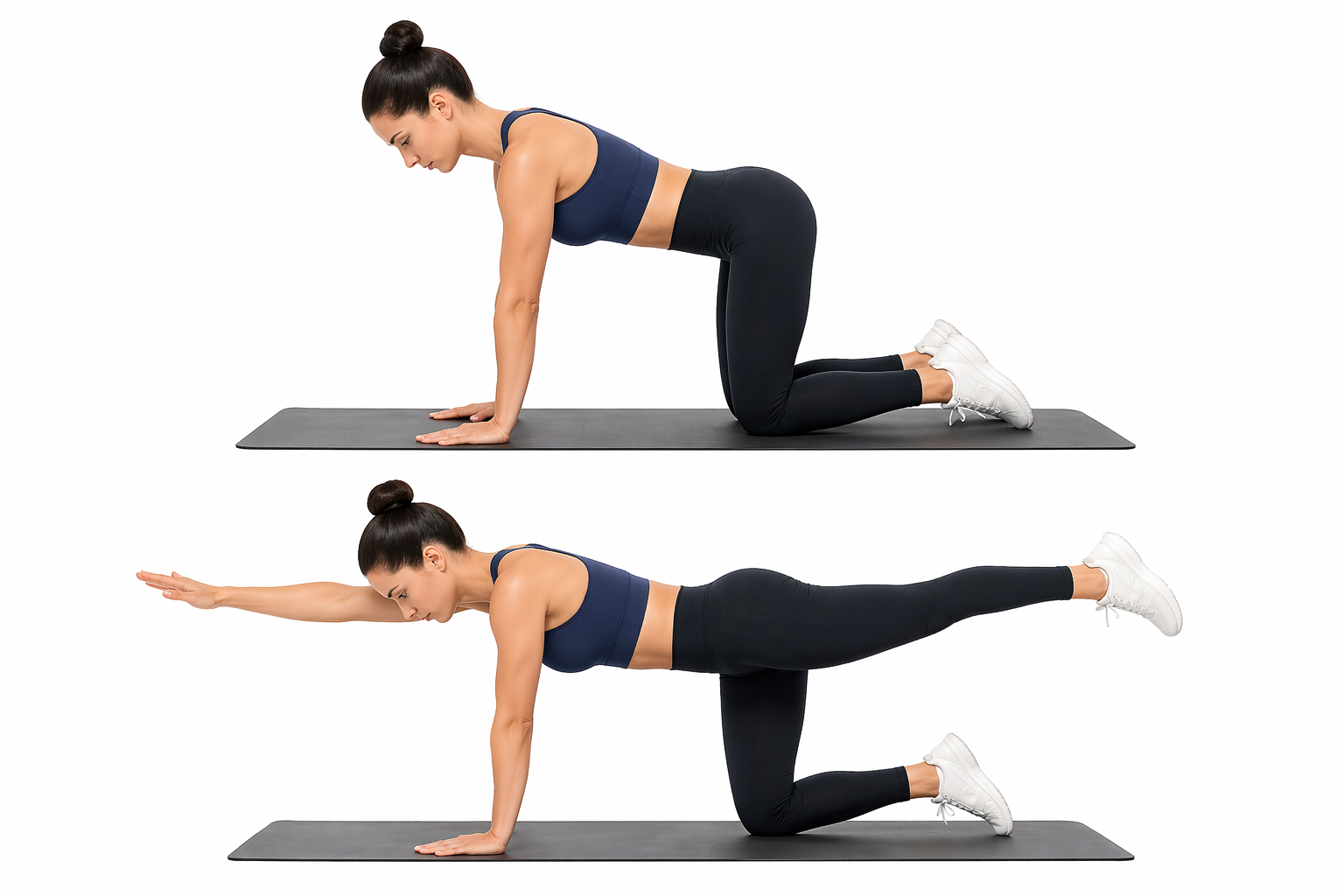
The bird dog is excellent for improving coordination and activating the transverse abdominis.
How to do it:
This exercise strengthens both your core and back muscles.
Bicycle crunches are a dynamic way to target your ab muscles and lower abs.
How to do it:
Keep your movements controlled to avoid straining your neck.
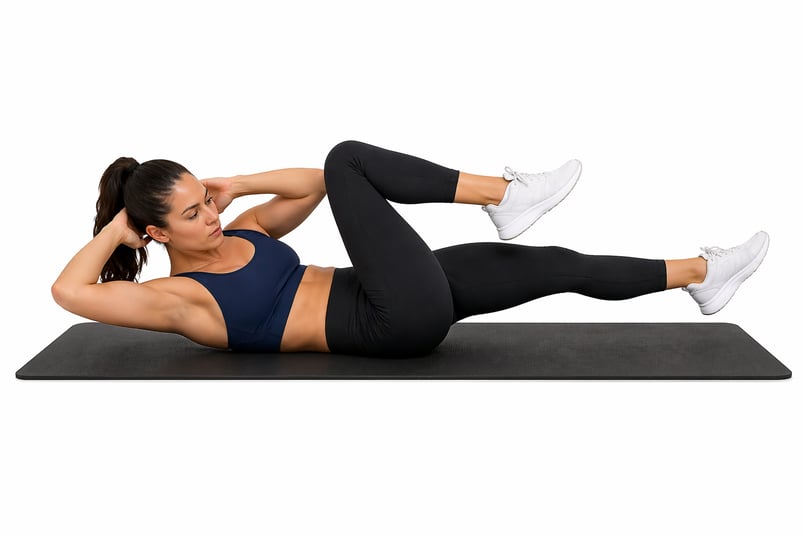
Mountain climbers add a cardio element to your core workouts.
How to do it:
This helps elevate your heart rate while strengthening your core.
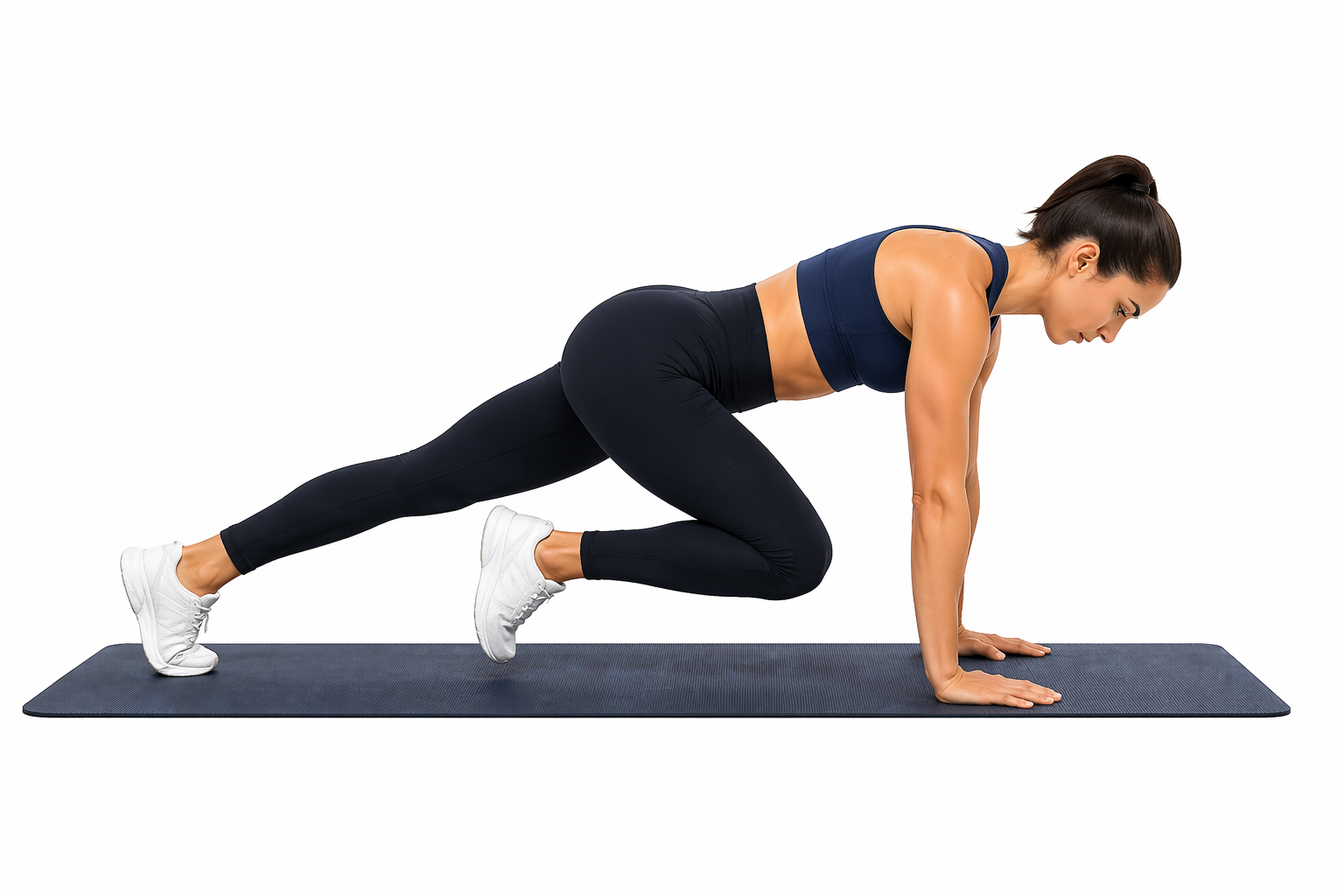
Creating a consistent gym routine for beginners is key to improving your core strength and overall fitness.
Start with:
Focus on maintaining proper form rather than rushing through movements. Over time, you can increase intensity and add variations like bear plank or knee taps to challenge your core further. Beginners would also benefit by joining a group fitness class to learn more about what workouts can benefit their bodies.
Combining core training with full-body strength training ensures balanced development and better results.
To get the most out of your core muscle training, keep these tips in mind:
If you have existing injuries or concerns, consider consulting a physical therapist or health care professional before starting a new routine.
Looking for some one-on-one coaching in your fitness journey? Check out our personal training offerings at CAC.

A strong core is the foundation of a healthy, functional body. With consistent effort and good core workouts for beginners, you can improve your strength, stability, and confidence in every movement.
At Chicago Athletic Clubs, you’ll find everything you need to succeed, from state-of-the-art equipment to expert guidance that supports every stage of your fitness journey. Whether you’re just starting out or looking to take your training to the next level, our team is here to help you build muscle, improve your form, and stay motivated.
Join Chicago Athletic Clubs today and start your journey toward stronger core muscles, better performance, and long-term health.